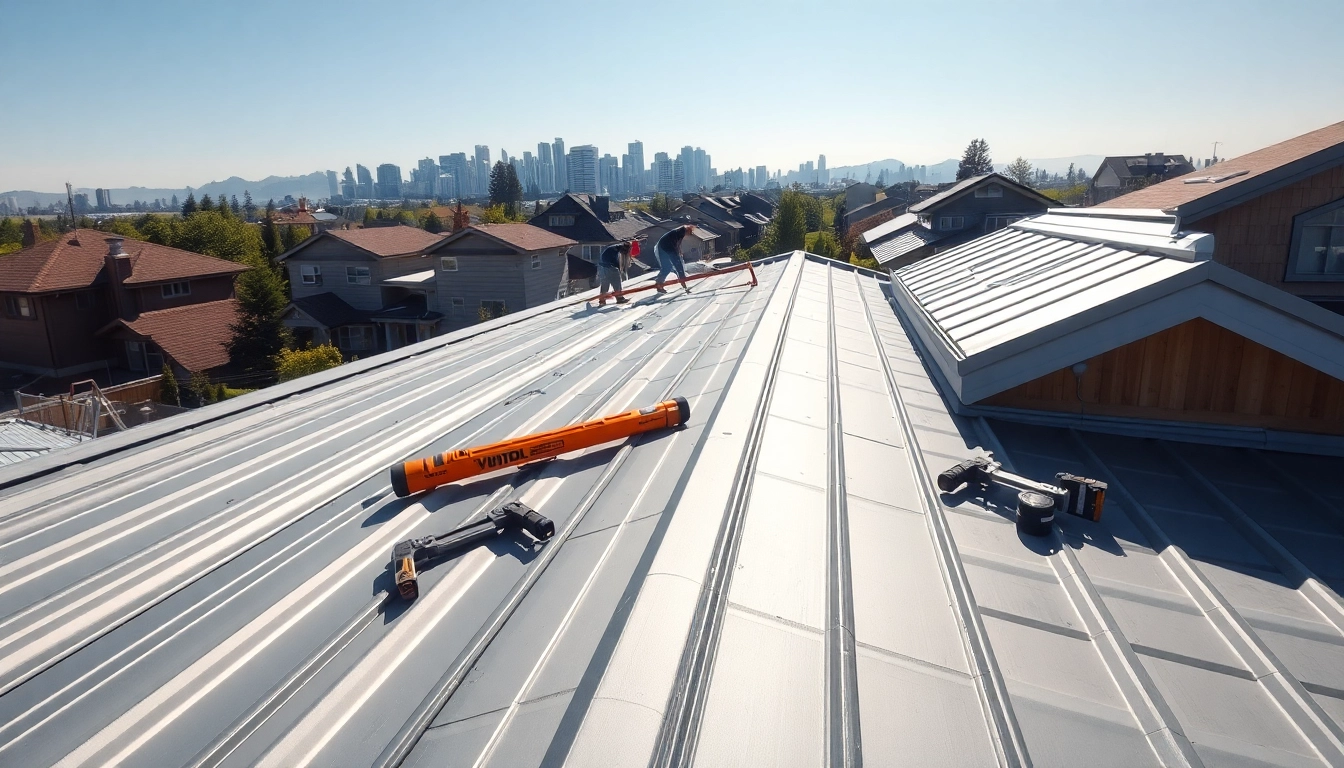
Understanding Metal Roofing Vancouver
What is Metal Roofing?
Metal roofing is a roofing system made from metal pieces or tiles characterized by high resistance, longevity, and a variety of aesthetic choices. This type of roofing material comes in a range of options, including steel, aluminum, copper, and zinc. It’s used in both residential and commercial constructions, providing an effective solution for climate conditions, especially in places like Vancouver, where weather can change rapidly. Many homeowners and builders choose metal roofing vancouver due to its durability, low maintenance needs, and aesthetic versatility.
Key Benefits of Metal Roofing Vancouver
The benefits of opting for metal roofing are numerous:
- Durability: Metal roofs can last between 40 to 70 years, making them a sound investment.
- Weather Resistance: They can withstand extreme weather conditions, including heavy rains, snow, and high winds.
- Low Maintenance: Unlike traditional roofing materials, metal roofs require minimal maintenance, saving homeowners time and money.
- Energy Efficiency: Metal roofs reflect solar heat, reducing cooling costs during warmer months.
- Environmentally Friendly: Many metal roofs are made from recycled materials and are themselves recyclable.
Common Misconceptions Debunked
Despite their many advantages, metal roofing is often surrounded by misconceptions. For instance, some believe that metal roofs are excessively noisy during rain or hail. In reality, with proper insulation and installation, noise levels are comparable to other roofing types. Another misconception is that metal roofs are prone to rust; however, modern metal roofing materials are coated to prevent corrosion, ensuring a long-lasting product. By debunking these myths, homeowners can make informed decisions regarding their roofing solutions.
Choosing the Right Metal for Your Roof
Comparing Various Metal Types
When considering metal roofing, it’s essential to choose the right type of metal. The most common types include:
- Steel: Known for its strength and affordability, steel roofing can be coated with zinc to resist corrosion.
- Aluminum: Lightweight and highly resistant to corrosion, aluminum is ideal for coastal regions.
- Copper: Offers an aesthetically pleasing look and excellent durability, though it comes at a higher price point.
- Zinc: Known for its longevity and self-healing properties, zinc roofs are also environmentally friendly.
Factors to Consider When Choosing Metal
Several factors need consideration when choosing the right metal for your roof:
- Cost: Different metals come with varying costs. It’s important to align your choice with your budget.
- Climate: Temperature and humidity levels can affect the suitability of certain metals.
- Aesthetics: Choose a material that complements your home’s style and architecture.
- Weight: The structural integrity of your home can dictate what type of metal can be used.
Cost vs. Longevity Analysis
Investing in metal roofing may involve higher upfront costs compared to traditional asphalt shingles, but the long-term savings make it worthwhile. Metal roofs can often last two to three times longer than asphalt roofs. This reduced need for frequent replacements translates to lower costs over time. Additionally, the energy savings from better insulation and the potential increase in property value further bolster their appeal. Conducting a cost-benefit analysis helps homeowners understand the long-term economic advantages of metal roofing.
Installation Process of Metal Roofing Vancouver
Preparing Your Home for Installation
Preparing your home for metal roofing installation involves several steps. First, ensure the existing roof structure is sound and free from any damage. The installation crew will remove old roofing materials and assess the condition of the roof decking and supporting structures. It might also be necessary to obtain local permits depending on your area’s building codes. Preparing your home ensures the metal roof can be installed correctly and fundamentally contribute to its performance and longevity.
Timeline for the Installation Process
The installation timeline for a metal roof can vary based on factors such as the size of the roof and weather conditions. Typically, the process can range from a few days to a week. Once the preparations are complete, the installation team can quickly install the panels due to their lightweight design, often in one to two days. Regular communication with your roofing contractor during this phase ensures transparency and can help manage expectations.
Post-Installation Checks and Maintenance
After the installation of your metal roofing, it’s crucial to conduct a thorough inspection to ensure that all panels and accessories are secure. Regular maintenance includes cleaning the roof to remove debris, checking for loose fasteners, and inspecting flashings for integrity. A periodic professional inspection is also advisable to catch potential issues early, as proactive maintenance can prolong the lifespan of your metal roof.
Environmental Benefits of Metal Roofing
Energy Efficiency and Sustainability
Metal roofing is recognized for its energy efficiency, particularly in climates like Vancouver’s, where heating and cooling are essential. Metal roofs reflect solar heat, which can significantly reduce air conditioning costs during hot months. Moreover, many metal roofs are manufactured using recycled materials and can be recycled again at the end of their life cycle, contributing to sustainability efforts.
Recyclability of Metal Roofing Materials
Recyclability is another significant environmental factor. Unlike traditional roofing materials that often end up in landfills, metal roofing can be repurposed into new products, minimizing waste. The use of recycled materials in metal roofs also reduces carbon emissions during the production process, positively impacting the environment.
Impact on Insulation and Temperature Regulation
Metal roofing has a superior insulation effect, minimizing temperature fluctuations within homes. Properly installed metal roofs contribute to lower energy consumption, thereby reducing greenhouse gas emissions. This capability is particularly beneficial during extreme weather shifts, enabling consistent temperature regulation that enhances overall home comfort.
FAQs about Metal Roofing Vancouver
How long does metal roofing last?
Metal roofing can last between 40 to 70 years, depending on maintenance and material quality, making it a durable choice.
Is metal roofing more expensive than shingles?
Yes, the initial cost is higher, but when considering its longevity and durability, metal roofing proves cost-effective over time.
Can metal roofs withstand severe weather?
Absolutely. Metal roofs are engineered to endure high winds, heavy snow, and impact from hail, contributing to their reliability.
What colors are available for metal roofing?
Metal roofing comes in a variety of colors, allowing homeowners to choose styles that best match their home’s aesthetic.
Is insulation needed under metal roofing?
Insulation is not mandatory, but it can significantly enhance energy efficiency and indoor comfort levels.