Understanding Acoustic Panels
What Are Acoustic Panels?
Acoustic Panels are specialized sound-absorbing materials designed to reduce sound reflections and control noise levels in various environments. These panels are typically made of porous materials that can capture sound waves, resulting in enhanced sound clarity and reduced echo. They are widely used in settings such as recording studios, offices, and public spaces to create a more pleasant auditory experience. Installing Acoustic Panels can significantly improve the overall acoustics of a room, making it an essential element for sound management.
The Science Behind Sound Absorption
Sound absorption is a complex process governed by acoustic principles. When sound waves travel through the air, they can bounce off hard surfaces, creating echoes and reverberation. Acoustic panels work by absorbing these sound waves, which minimizes reflections and enhances clarity. The effectiveness of sound absorption is measured using the Noise Reduction Coefficient (NRC), which indicates how much sound is absorbed by a given material. A higher NRC value means better sound absorption capabilities.
Common Materials Used in Acoustic Panels
Acoustic Panels can be constructed from various materials, each offering different levels of sound absorption. Common materials include:
- Fiberglass: Known for its excellent sound absorption properties, lightweight, and ease of installation.
- Foam: Open-cell acoustic foam is popular for its affordability and versatility, featuring a range of shapes for different absorption needs.
- Mineral Wool: Dense and non-combustible, mineral wool is effective for soundproofing and thermal insulation.
- Fabric-wrapped Panels: These panels are covered with decorative fabrics, combining aesthetics with sound absorption.
Benefits of Acoustic Panels
Improved Sound Quality in Different Environments
Installing Acoustic Panels enhances sound quality in various settings. In music studios, they help produce clearer recordings by minimizing unwanted echoes. In office environments, they facilitate better communication by reducing background noise, making it easier for employees to focus on their tasks. Restaurants and cafes also benefit as they create comfortable atmospheres where conversations can occur without excessive noise interference.
Noise Reduction for Better Focus
Noise can be a significant distraction in both public and private spaces. Acoustic Panels effectively absorb disruptive sounds, reducing overall noise levels. This is particularly beneficial in environments like open-plan offices, where chatter and movement can hinder productivity. By controlling noise levels, these panels allow individuals to concentrate better, ultimately leading to higher efficiency and effectiveness in their work.
Aesthetic Enhancements with Acoustic Panels
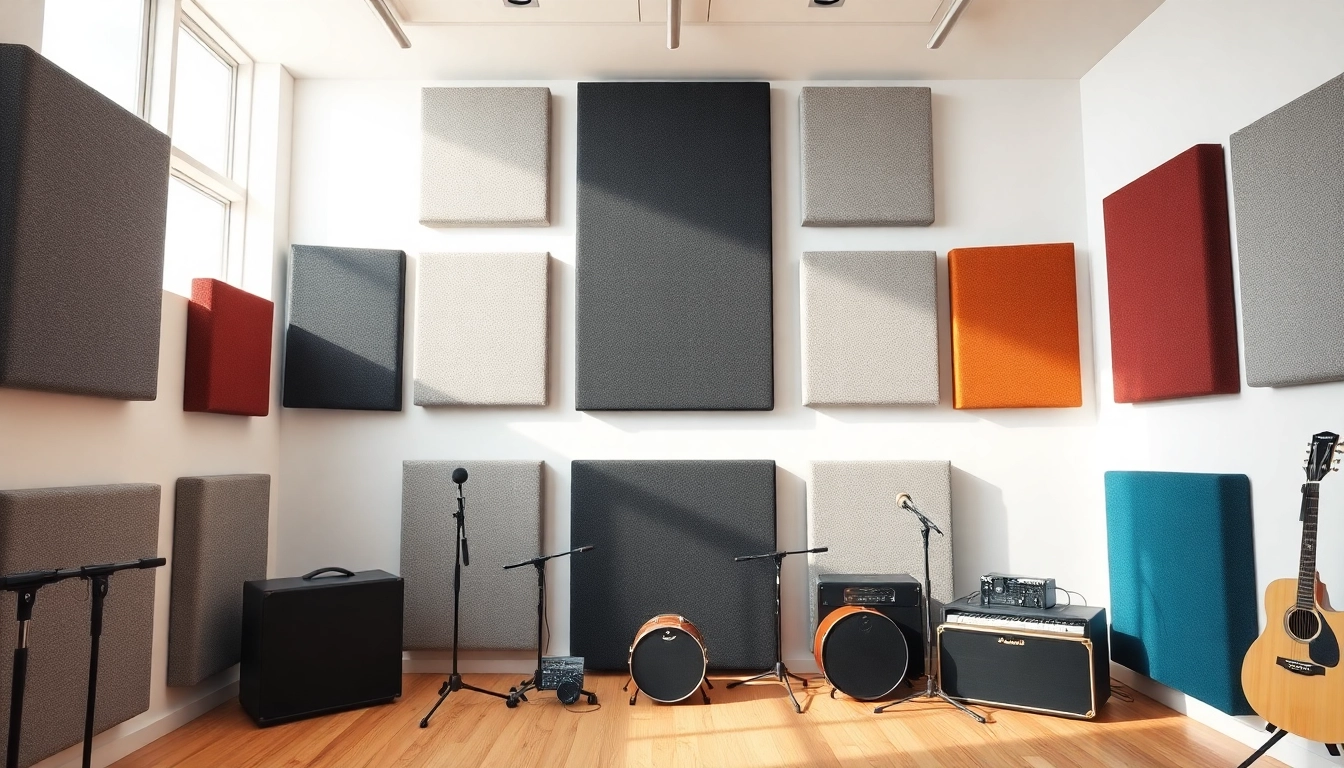
Beyond their functional advantages, Acoustic Panels can dramatically enhance the aesthetic appeal of a space. Available in various colors, shapes, and materials, these panels can be tailored to match any interior design scheme. They not only serve a practical purpose but also contribute to the overall visual identity of the space, turning sound treatment into a design asset.
Choosing the Right Acoustic Panels
Size and Placement Considerations
The size and placement of Acoustic Panels are critical for maximizing their effectiveness. The first step is to assess the room’s acoustics and identify sound problem areas, such as corners and flat walls where sound tends to reflect. Larger panels are preferable for more extensive sound absorption, while smaller panels can be used strategically for targeted noise control. Proper height and spacing are also essential to ensure that the panels accomplish their sound absorption objectives.
Material Options and Their Impact
The material choices for Acoustic Panels significantly influence their acoustic treatment effectiveness. Soft, porous materials like foam and fiberglass typically offer superior sound absorption compared to harder materials. Additionally, certain materials may have specific applications based on the type of noise being managed; for instance, denser materials may be suited for low-frequency sound absorption, while lighter materials tackle higher frequencies efficiently.
Color and Design Choices for Your Space
Acoustic Panels come in many colors and designs, allowing for customization that complements the room’s decor. Whether opting for neutral tones that seamlessly blend with the environment or vibrant colors that make a bold statement, the design can significantly impact the overall look of the space. Some modern designs even incorporate artwork or branding, making the panels functional and visually appealing.
Installation Tips for Acoustic Panels
DIY vs. Professional Installation
Installation of Acoustic Panels can be approached as a DIY task or handled by professionals. DIY installation can save costs and allows for personal customization, but it requires careful planning and execution to ensure optimal results. Professional installation provides expert knowledge and guarantees that panels are positioned correctly for maximum effectiveness. The choice largely depends on the complexity of the installation and individual skill levels.
Tools You’ll Need for Installation
Should you choose to undertake a DIY installation, having the right tools is essential. Common tools required include:
- Measuring tape for accurate panel placement
- Level to ensure panels are installed straight
- Drill with appropriate bits for mounting the panels
- Adhesive or mounting hardware depending on the chosen installation method
Step-by-Step Installation Guide
To ensure a smooth installation process, follow these steps:
- Measure the space where the panels will be placed to determine the number of panels needed.
- Select the installation method: adhesive, clips, or a frame system.
- Mark the wall or ceiling with a pencil where the panels will go, using a level.
- Prepare the surface by cleaning it to help adhesives stick better.
- Install the panels according to the chosen method, ensuring they are secured well.
Measuring the Effectiveness of Acoustic Panels
Sound Measurement Techniques
To evaluate the effectiveness of Acoustic Panels, various sound measurement techniques can be employed. Using sound level meters can help quantify noise levels before and after installation, providing tangible evidence of improvement. Additionally, conducting listening tests in the space can offer subjective feedback on sound clarity and overall experience.
Adjusting Panel Placement for Optimal Results
Sometimes adjustments are necessary following installation to achieve optimal performance. Experimenting with different panel placements can lead to better sound absorption. Consider moving panels closer to noise sources or reconfiguring their layout based on observed acoustic dead spots. Monitoring changes and experimenting will help in fine-tuning the setup for the best outcome.
Periodic Evaluations and Upgrades
Sound dynamics in a space can shift over time, requiring reevaluation of the Acoustic Panels. Regular inspections and consideration of any changes in room usage will help ensure that acoustic treatment remains effective. Upgrading to newer materials or designs can also enhance sound absorption capabilities and aesthetic appeal.
Frequently Asked Questions
What are the main uses of Acoustic Panels?
Acoustic Panels are primarily used to improve sound quality by reducing echo and background noise. They’re great for recording studios, offices, and home theaters.
How do I choose the right size of Acoustic Panels?
The right size depends on the room’s dimensions and specific sound issues. Larger panels may cover more area, while smaller panels are ideal for targeted treatment.
Do Acoustic Panels help with noise reduction?
Yes, Acoustic Panels significantly reduce noise levels by absorbing sound, which enhances clarity and minimizes reverberation in a space.
Can I customize the design of my Acoustic Panels?
Many manufacturers offer customizable Acoustic Panels in various colors and designs, allowing you to match them to your decor or branding.
What is the installation process for Acoustic Panels?
Installation can be done DIY or professionally. It typically involves placing panels strategically on walls and/or ceilings for optimal sound absorption.