Understanding the Importance of Bóc Giấy Ép Plastic
In a world where document preservation is paramount, understanding the methods of bóc giấy ép plastic becomes crucial. This practice not only protects important papers from environmental damage but also ensures their legibility for future reference. Whether it’s legal documents, certificates, or personal papers, the need to retain their original state is essential for both personal and professional reasons.
What is Bóc Giấy Ép Plastic?
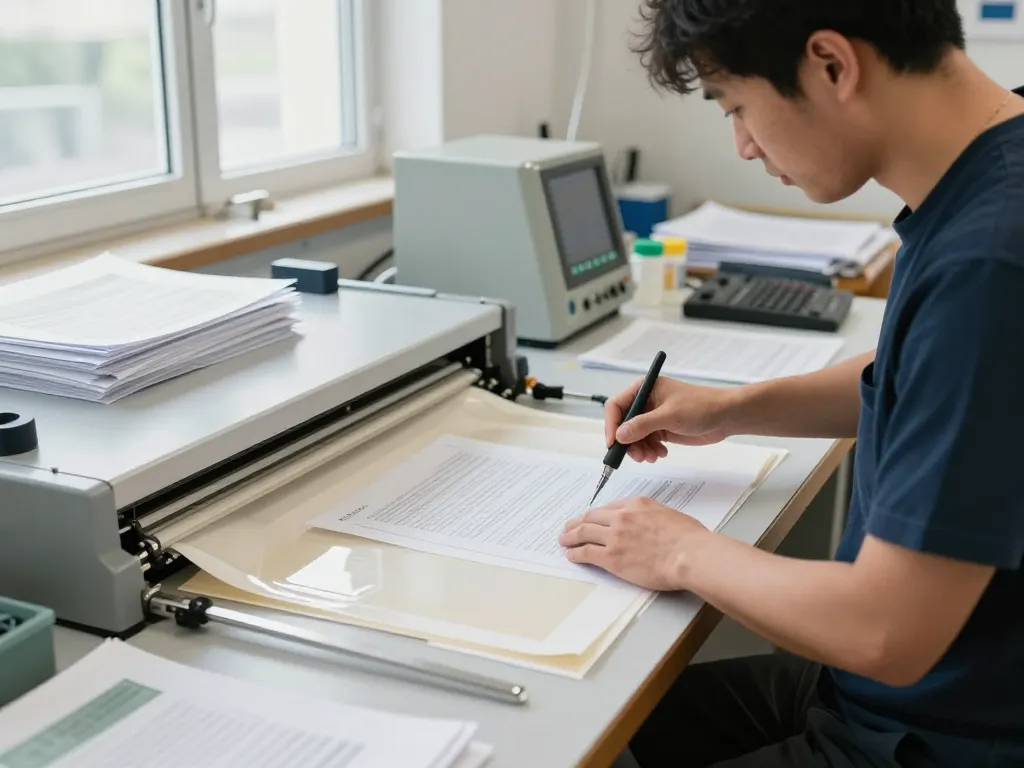
Bóc giấy ép plastic refers to the process of removing plastic lamination from various types of documents without causing any damage. This technique is particularly important for individuals and businesses that require the restoration of essential papers that have been laminated for protection. The process can vary based on the type of lamination used, necessitating specific methods to ensure that the document’s integrity is preserved during the removal process.
Why Document Preservation Matters
Document preservation matters for several reasons:
- Legal Requirements: Many legal documents need to remain in pristine condition for audits or verification.
- Historical Value: Some documents hold historical significance and should be maintained for future generations.
- Financial Implications: Restoring valuable documents can save you money in the long run by preventing the need for reissuance or legal resubmission.
Common Misconceptions About Bóc Giấy Ép Plastic
Many people believe that removing lamination is a straightforward task that can be executed at home with minimal effort. However, this belief can lead to damaging important documents. Common misconceptions include:
- Using household appliances like hairdryers or irons will always work without damaging the paper.
- Any attempt at removal can be effective, regardless of the document’s age or the type of plastic.
Methods to Bóc Giấy Ép Plastic Effectively
There are primarily two methods for safely bóc giấy ép plastic: using heat and applying non-force technology. Each method has its advantages and disadvantages, which will be explored in the following sections.
Using Heat: Pros and Cons
Using heat involves applying controlled temperatures to soften the adhesive that bonds the plastic to the paper. While this method can be effective, it comes with various risks:
- Pros: Can be quick and effective for some types of laminates.
- Cons: High risk of damaging the paper or ink, especially if temperatures are too high or if the paper is old.
This method often requires care and precision to avoid burns or melting the document itself.
Non-Force Technology: How It Works
This method employs innovative techniques that avoid the use of heat or physical force. Technologies like chemical solvents or specialized vacuum equipment are designed to separate the plastic from the document safely. Advantages include:
- Preservation of Document Integrity: No risk of damaging paper or ink, resulting in a complete restoration.
- Efficiency: Typically faster than traditional methods.
Choosing the Right Method for Your Documents
Choosing the appropriate method for bóc giấy ép plastic depends on the specific needs of the documents in question. Factors to consider include the age of the document, the type of plastic used, and the level of preservation required. Consult with professionals to determine the best course of action for valuable materials.
Step-by-Step Guide to Safe Bóc Giấy Ép Plastic
Restoring documents through bóc giấy ép plastic can be a delicate process. Below are detailed steps to ensure a safe and effective restoration.
Preparation: What You Need
Before starting the restoration process, ensure you have the following materials:
- Heat source (hairdryer or iron) if using heat method
- Non-force technology tools if using chemical or vacuum methods
- Protective gloves and goggles for safety
- Soft cloth or buffer for gentle handling
Step-by-Step Instructions for Each Method
For Heat Method:
- Set the hairdryer to a low setting; avoid high heat to prevent burns.
- Gently apply heat to the edges of the laminated document, moving in circular motions.
- Once the adhesive softens, carefully peel back the plastic while keeping the paper flat.
- Use a soft cloth to absorb any excess adhesive that may remain.
For Non-Force Technology:
- Apply the chemical solution to the edges of the plastic.
- Let it sit for the recommended time to dissolve the adhesive.
- Gently pull away the plastic layer once the adhesive is softened.
- Clean the document with a soft cloth to remove any residual chemicals.
Post-Restoration Care Tips
After successfully removing the plastic, it is essential to care for the newly restored document:
- Store the document in a protective sleeve to prevent further damage.
- Keep it in a cool, dry place away from direct sunlight.
- Consider digitizing the document for an additional layer of protection.
Real-World Applications: Success Stories
Understanding how various methods of bóc giấy ép plastic can effectively restore documents without damage is crucial. Here are some case studies illustrating successful restorations.
Case Study: Restoring Valuable Legal Documents
A law firm faced a significant challenge when several important legal documents were improperly laminated. Using non-force technology, they successfully restored these documents without any damage, allowing them to maintain their legal validity.
Client Testimonials and Experiences
Many clients have shared their positive experiences with professional restoration services, often emphasizing how crucial it was to maintain the integrity of their documents. Clients particularly valued the expertise and care provided by restoration specialists.
Lessons Learned from Document Restoration
One key takeaway from these experiences is the importance of seeking professional help for valuable documents. Many clients learned the hard way that DIY methods can lead to irreversible damage.
The Future of Bóc Giấy Ép Plastic Techniques
As technology progresses, the methods and tools available for bóc giấy ép plastic are also evolving, leading to improved results and safety.
Emerging Technologies in Document Preservation
Future innovations may include advanced adhesives that are easier to remove or new chemical solutions that provide effective results without damaging the paper.
Market Trends and Consumer Expectations for 2026
Consumers are increasingly looking for services that guarantee the integrity of their documents. The demand for non-invasive restoration techniques is expected to rise as awareness grows about the risks of traditional methods.
Professional Insights: What Experts Are Saying
Experts in the field emphasize the importance of investing in quality restoration services. They advocate for educational resources and awareness campaigns to inform the public about the best practices for document preservation.
Frequently Asked Questions
What is the best method to bóc giấy ép plastic?
The best method can vary depending on the specific type of document and the plastic used. Professionals often recommend non-force methods for their effectiveness and safety.
Can I bóc giấy ép plastic at home safely?
While some methods can be done at home, it is generally safer to consult with professionals to avoid damaging important documents.
How long does the bóc giấy ép plastic process take?
The duration of the process can vary based on the method used and the complexity of the document, generally ranging from 15 to 60 minutes.
Will my documents be damaged during restoration?
With the proper techniques, particularly non-force methods, documents can be restored without damage.
Are there professionals for bóc giấy ép plastic in my area?
Many professional services specialize in document restoration. It is advisable to research local options to find a reputable service provider.