Understanding LVP Floors
What Are LVP Floors?
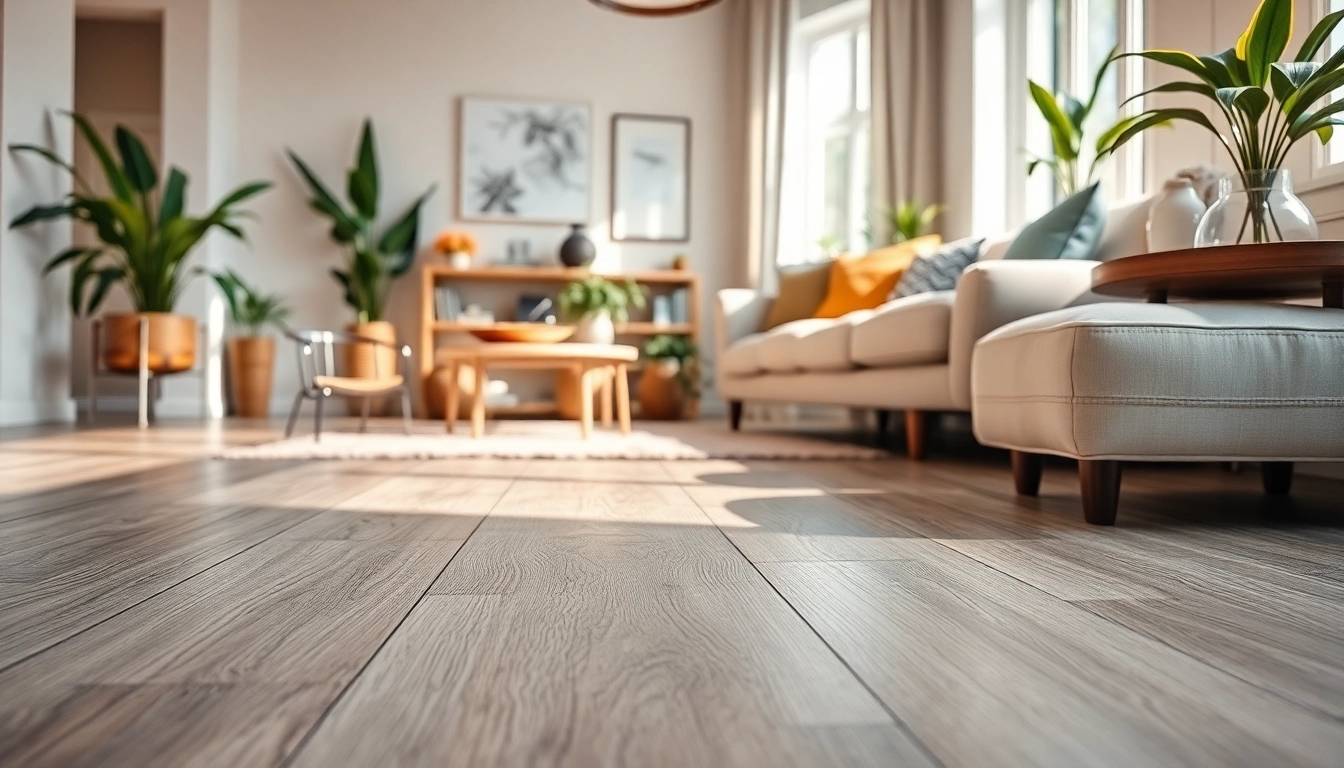
LVP, or Luxury Vinyl Plank, floors are designed to mimic the appearance of natural materials like hardwood or stone while offering practical benefits tailored for modern living. Composed of multiple layers—each contributing essential properties—LVP floors provide a durable solution for various environments including residential and commercial spaces. The surface layer is often coated with a clear protective finish that ensures long-lasting performance and resistance to scratches and stains. In recent years, the popularity of lvp floors has surged, thanks to advancements in design technology that allow for realistic textures and prints.
Key Benefits of LVP Floors
One of the prime advantages of LVP floors is their exceptional durability. They are resistant to water damage, making them a perfect choice for kitchens and bathrooms. Unlike traditional hardwood floors, LVP does not warp or swell in humid conditions, ensuring a stable floor regardless of environmental changes. Additionally, LVP floors offer easy installation processes, often requiring less time and fewer tools compared to traditional flooring options. Another significant benefit is the variety of styles available, enabling homeowners to choose designs that fit their personal aesthetic.
Comparing LVP Floors to Other Flooring Options
When comparing LVP floors to hardwood, one notable aspect is cost. LVP generally comes at a much lower price point while still providing a similar aesthetic appeal. Unlike carpet, which can trap allergens and requires more rigorous cleaning protocols, LVP maintains a cleaner environment with straightforward maintenance. Moreover, tile flooring, while durable, can be cold and hard underfoot; LVP offers a more forgiving surface that combines comfort with style.
Choosing the Right LVP Floors for Your Space
Design Considerations for LVP Floors
Selecting the perfect LVP floors for your home involves various design considerations. A pivotal factor is the overall interior theme; contemporary spaces may benefit from lighter colors and sleek designs, while rustic homes could utilize warmer tones and textured finishes. Additionally, the flooring must align with practical considerations such as room function and foot traffic, where denser options are preferable for high-traffic areas like hallways and kitchens.
Best Colors and Patterns for LVP Floors
The aesthetic appeal of LVP floors is maximized by choosing the right colors and patterns. Neutral shades such as grays and beiges are incredibly versatile, easily coordinating with different decor styles. On the other hand, bold patterns and colors can act as statement pieces, invigorating a space. When selecting, consider how natural light can affect the appearance of colors throughout the day, ensuring a consistent theme that enhances the room’s ambiance.
Essential Features to Look for in LVP Floors
When choosing LVP floors, there are essential features to consider. One of the primary features is thickness; thicker planks are likely to be more durable and provide better acoustic insulation. Look for LVP with a high wear layer to ensure scratch and stain resistance. Another crucial aspect is the locking mechanism; a strong interlocking design will facilitate easier installation and enhance the stability of the flooring once laid. Finally, check the warranty period as an indicator of the product’s expected longevity and performance.
Installation Guide for LVP Floors
Preparation Steps for Installing LVP Floors
Proper preparation is vital for a successful LVP floor installation. Start by ensuring that the subfloor is even and clean. This may involve filling in any gaps or leveling areas that are uneven. It’s essential to acclimate LVP planks to the room’s temperature and humidity for at least 48 hours before installation; this helps prevent future warping or buckling. Additionally, gather all necessary tools—including a utility knife, measuring tape, and a tapping block—to streamline the installation process.
DIY vs. Professional Installation of LVP Floors
Homeowners often face the choice between DIY flooring installation and hiring professionals. While DIY may save money, it requires a fair level of skill and knowledge about flooring. DIY enthusiasts can benefit from numerous online resources and tutorials that demystify the process. Conversely, hiring professionals guarantees quality and potentially faster completion. For those undecided, consider the complexity of the job and your comfort level with home improvement tasks when making your decision.
Common Mistakes to Avoid When Installing LVP Floors
There are several common pitfalls to avoid during the installation of LVP floors. One frequent mistake is failing to check the moisture level of the subfloor, which can lead to long-term damage. Additionally, incorrect plank alignment can compromise the flooring’s appearance; always start from a straight reference line. Lastly, neglecting to leave the recommended expansion gap around the edges can cause buckling due to expansion and contraction, so always heed the manufacturer’s guidelines.
Maintaining Your LVP Floors
Cleaning Routine for LVP Floors
Regular cleaning is essential for maintaining the look and durability of LVP floors. A simple routine involves sweeping or vacuuming to remove dust and debris, followed by damp mopping with a cleaner specifically designed for vinyl floors. Avoid harsh chemicals and abrasive scrubbing pads, as these can damage the surface. Setting a cleaning schedule, such as weekly for high-traffic areas, will facilitate the upkeep and help maintain the flooring’s original appearance over time.
Tips for Long-lasting LVP Floors
The longevity of LVP floors can be maximized with a few proactive measures. Using felt pads under furniture can prevent scratches while eliminating heavy foot traffic wear by placing area rugs in popular spots. It’s also prudent to clean spills immediately to avoid any staining. Periodically reviewing and adjusting humidity levels in your home, especially in extreme weather, can also help maintain the structural integrity of your floors.
Dealing with Scratches and Damage on LVP Floors
Although LVP floors are quite durable, they can still sustain scratches or damage. For minor scratches, a simple solution is to use a vinyl floor repair kit designed for touch-ups, matching colors to restore the surface. For deeper gouges, consider using a floor repair paste. In cases of extensive damage, replacing the affected planks may be necessary. Always follow the manufacturer’s repair guidance for the best results.
Frequently Asked Questions about LVP Floors
What Is the Lifespan of LVP Floors?
LVP floors typically last between 10 to 30 years, depending on the quality, maintenance, and traffic level in the given space.
Can LVP Floors Be Installed in Moist Areas?
Yes, LVP floors are water-resistant and suitable for moist areas like bathrooms and kitchens, making them a versatile flooring choice.
How Do I Clean LVP Floors?
To clean LVP floors, use a damp mop with a gentle cleaner specifically designed for vinyl floors, avoiding harsh chemicals and abrasive tools.
Are LVP Floors Environmentally Friendly?
Many brands offer eco-friendly LVP floors, made from recycled materials and designed to be free of harmful chemicals, prioritizing sustainability.
Can I Use Rugs on LVP Floors?
Yes, area rugs can enhance the aesthetic of LVP floors, but it’s vital to ensure they have non-slip backing to prevent accidents.