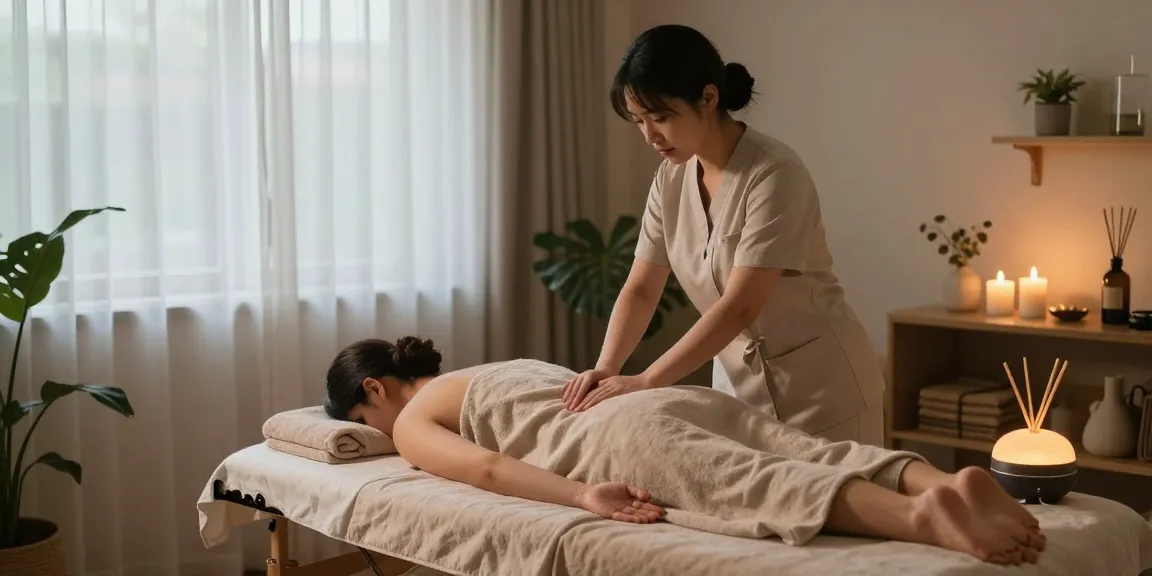

Understanding Back Pain Relief
Back pain is a common ailment that affects a significant portion of the population at some point in their lives. The pain can stem from various causes, ranging from muscle strains to more complex medical issues. Achieving effective back pain relief is essential to maintain an active lifestyle and improve overall well-being. In this article, we’ll delve into the anatomy of back pain, explore its common causes, and discuss how lifestyle choices may impact this condition.
The Anatomy of Back Pain
The human back is a complex structure comprised of bones, muscles, nerves, and connective tissues. The spine, made up of vertebrae, serves as a protective case for the spinal cord while allowing flexibility and movement. Pain can occur in any part of the back, but it is most commonly felt in the lower back (lumbar region) and the neck (cervical region).
Understanding the anatomy is crucial in identifying the source of pain. For instance, intervertebral discs act as cushions between the vertebrae and can become herniated or degenerate, causing pain and discomfort. Moreover, nerves can become pinched by herniated discs or bone spurs, leading to radiating pain, numbness, or weakness in the limbs.
Common Causes of Back Pain
Back pain can result from various factors, including:
- Muscle Strain: Heavy lifting or an awkward movement can strain the muscles and ligaments in the back.
- Herniated Discs: Discs can bulge or rupture, pressing on nerves and causing pain.
- Arthritis: Conditions like osteoarthritis can lead to joint degeneration and back pain.
- Skeletal Irregularities: Issues such as scoliosis can put stress on the back and lead to pain.
- Osteoporosis: Weak and brittle bones can lead to fractures and severe back pain.
Impact of Lifestyle on Back Pain
Lifestyle choices significantly influence the risk and intensity of back pain. Sedentary behavior, for instance, weakens muscles and contributes to weight gain, which can further strain the back. On the other hand, regular physical activity strengthens back muscles, enhances flexibility, and promotes proper posture. Additionally, stress management plays a role, as anxiety and tension can coexist with physical pain, exacerbating the condition.
Natural Remedies for Back Pain Relief
Benefits of Physical Activity
Engaging in regular physical activity is one of the most effective ways to alleviate back pain. Exercise improves blood circulation, enhances muscle strength, and increases flexibility, all of which contribute to spinal health. Low-impact activities such as walking, swimming, or cycling are particularly beneficial as they provide movement without undue pressure on the back. Striking a balance between activity and rest is essential; while exercise can strengthen and stabilize the back, too much strain can lead to injury.
Stretching and Strengthening Exercises
Incorporating specific stretching and strengthening exercises into daily routines can aid in back pain relief. Some recommended exercises include:
- Cat-Cow Stretch: Increases flexibility and strength of the spine.
- Child’s Pose: Gently stretches the back and promotes relaxation.
- Bridges: Strengthens spinal muscles and improves core stability.
Always consult with a healthcare provider before beginning any new exercise regimen to ensure safety and effectiveness.
Mindfulness and Relaxation Techniques
Mental health significantly influences physical well-being. Practices such as yoga, meditation, and deep-breathing exercises can help reduce stress and promote relaxation. Stress often manifests physically, leading to muscle tension, which in turn aggravates back pain. Establishing a routine that incorporates mindfulness can equip individuals with tools to manage pain and enhance mental clarity.
Medical Interventions in Back Pain Relief
Over-the-Counter Pain Relievers
For mild to moderate back pain, over-the-counter (OTC) medications such as non-steroidal anti-inflammatory drugs (NSAIDs) like ibuprofen or acetaminophen can provide effective relief. They work by addressing inflammation and pain directly. However, it is vital to use these medications as directed and consult a healthcare provider if pain persists or worsens.
Physical Therapy Options
Physical therapy is often recommended for individuals experiencing persistent back pain. A physical therapist can design a tailored exercise program that focuses on strengthening the back, improving flexibility, and correcting posture. Manual therapy, modalities like heat and cold applications, and ultrasound may also be employed to provide relief and promote healing.
When to Consider Surgery
Surgery is usually a last resort when other treatments have failed and when the pain is significantly impairing quality of life. Procedures may include spinal fusion, discectomy, or laminectomy, targeting the source of pain directly. Discussing the risks, benefits, and potential outcomes with a qualified healthcare provider is crucial to making an informed decision.
Preventative Measures for Back Pain Relief
Ergonomic Practices at Work
Standing or sitting for prolonged periods can lead to back discomfort. Ergonomics focuses on creating workspaces that promote good posture and minimize strain. Use chairs that support the lower back, position screens at eye level, and encourage regular breaks to move during the day. Small adjustments can make a big difference in preventing back pain and enhancing productivity.
Proper Lifting Techniques
Improper lifting is a common cause of back injuries. When lifting heavy objects, bend at the knees rather than the waist, keep the object close to the body, and use the legs to lift rather than the back. Training individuals in proper lifting techniques can significantly reduce the risk of back injuries in both domestic and occupational settings.
Maintaining a Healthy Weight
Excess body weight increases the strain on the back and can lead to pain. Maintaining a healthy weight through balanced nutrition and regular exercise can minimize the risk of developing back pain. Weight management is a critical factor in overall spinal health and well-being.
Frequently Asked Questions about Back Pain Relief
What are the best exercises for back pain relief?
Low-impact exercises like walking, swimming, and yoga can be beneficial. Additionally, strengthening and flexibility exercises, such as bridges and cat-cow stretches, help alleviate discomfort.
Can stress contribute to back pain?
Yes, stress can lead to muscle tension and exacerbate back pain. Practicing relaxation techniques, such as deep breathing or meditation, can help manage stress and its impact on the body.
How long before back pain becomes chronic?
If back pain persists for more than three months, it may be considered chronic. Early intervention and treatment can mitigate the risk of developing chronic pain.
Are there natural supplements for back pain relief?
Certain supplements, such as turmeric, glucosamine, and omega-3 fatty acids, are thought to support joint and muscle health. Consult a healthcare provider before starting any supplement.
When should I see a doctor for back pain?
Seek medical advice if back pain lasts more than a week, worsens, or is accompanied by other symptoms like numbness, weakness, or bowel or bladder issues.