Understanding Furniture Hardware Manufacturers
In the world of furniture design and production, the role of furniture hardware manufacturers is crucial, often serving as the unsung heroes behind the aesthetic and functional aspects of furniture. This article dives into the intricacies of what these manufacturers do, the importance of quality in their offerings, and how to identify reliable partners in the field.
What Does a Furniture Hardware Manufacturer Do?
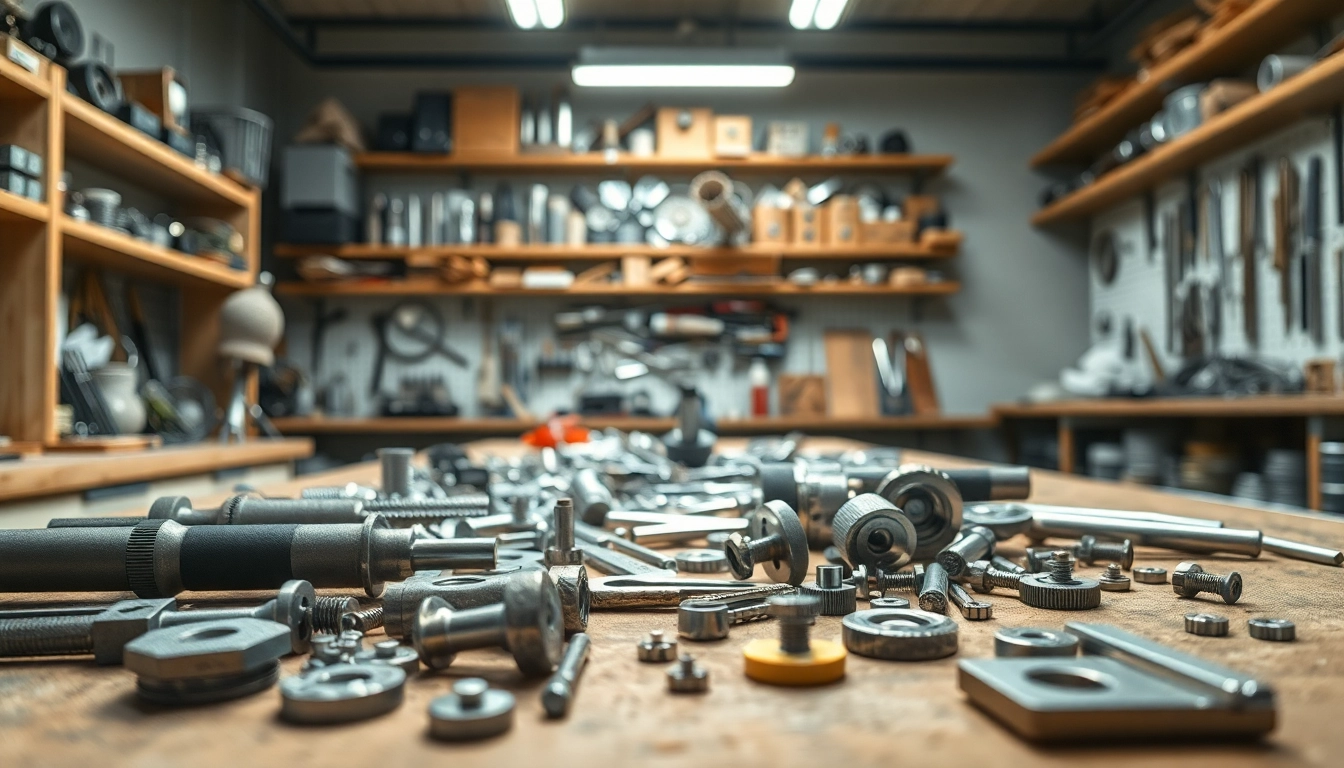
A furniture hardware manufacturer specializes in producing the various components and fittings that are vital for furniture construction and assembly. This can include everything from hinges, drawer slides, and cabinet pulls to more specialized items like custom fittings for unique furniture designs. The manufacturing process often involves intricate designs that require precision engineering, ensuring that each piece not only fits perfectly but also functions harmoniously within the overall piece.
The Importance of Quality in Manufacturing
Quality control is a non-negotiable aspect in furniture hardware manufacturing. Poor quality can lead to malfunctions, reduced durability, and ultimately, customer dissatisfaction—not to mention the potential for returns and diminished brand reputation. Manufacturers employ rigorous testing procedures to ensure that all hardware meets industry standards and customer specifications. High-quality materials, such as stainless steel or durable polymers, help to create longer-lasting, reliable products that can withstand daily use.
How to Identify Reliable Manufacturers
Assessing the reliability of a furniture hardware manufacturer involves several steps. First, researching their history and reputation in the industry can provide insights into their reliability. Look for reviews, testimonials, and case studies that highlight their previous work. Certifications from recognized bodies can further indicate a commitment to quality. Additionally, establishing clear communication during initial interactions can also give you a sense of their professionalism and customer service approach.
Types of Furniture Hardware
Common Hardware Used in Furniture
Furniture hardware comes in various forms, each designed for specific functions. Common types include:
- Hinges: Essential for doors and lids, ensuring they open and close smoothly.
- Drawer Slides: Allow drawers to glide in and out easily while supporting weight.
- Cabinet Handles and Knobs: Provide both functional grip and aesthetic appeal.
- Brackets: Support furniture construction, adding strength and stability.
- Legs and Footers: Essential for elevating and supporting furniture items.
Specialized Hardware for Unique Designs
For furniture designers exploring bespoke solutions, specialized hardware offers options tailored to unique requirements. These may include:
- Soft-Close Hinges: Prevent slamming by allowing doors to close gently.
- Push-to-Open Mechanisms: Enable the opening of drawers without traditional handles.
- Custom-Made Brackets: Created to accommodate unusual furniture shapes or configurations.
Investing in specialized hardware can elevate the entire design approach, marrying form with function effectively.
Comparing Materials: Metal vs. Plastic Hardware
When selecting hardware, the choice between metal and plastic often emerges as a key consideration:
Metal Hardware
Metal components are known for their durability and strength, making them ideal for high-use pieces of furniture. They typically offer more elegant finishes, which enhances the visual appeal of design.
Plastic Hardware
On the other hand, plastic hardware can be lightweight and cost-effective, suitable for pieces that do not require heavy-duty functionality. However, lower-grade plastics may not withstand the same level of use as metal options.
Ultimately, the choice may depend on the functional requirements and aesthetic goals of a specific furniture piece.
Finding the Right Manufacturer
Research Strategies for Locating Manufacturers
Finding the right furniture hardware manufacturer begins with thorough research. This may include utilizing online directories, trade shows, and industry-specific forums to compile a list of potential partners. Networking with industry contacts can also reveal manufacturers renowned for quality and reliability. Online reviews and ratings can serve as additional evidence of a manufacturer’s credibility.
Evaluating Manufacturer Capabilities and Expertise
Once you have a shortlist of manufacturers, the next step is to evaluate their capabilities. Look into their production processes, machinery, and whether they hold relevant certifications. Understanding their design capabilities, especially if you are considering custom hardware, is crucial. Engaging with their past clients for feedback can provide valuable insights into their performance and reliability.
Questions to Ask Potential Manufacturers
- What is your minimum order quantity?
- Can you provide samples of your hardware?
- What are your lead times for production and delivery?
- How do you ensure quality control throughout the manufacturing process?
- Can you accommodate custom designs or modifications?
Asking the right questions ensures that you select a partner aligned with your project goals and standards.
Cost Considerations in Selecting Manufacturers
Understanding Pricing Structures
The pricing structure of furniture hardware manufacturing can vary significantly based on several factors, including materials, complexity of design, and manufacturing volume. Understanding these variables will allow you to budget effectively. Be aware of hidden costs, such as shipping or custom duties, that may affect the overall price.
Balancing Cost and Quality
While it may be tempting to choose the lowest-cost option, quality must be a key consideration. Subpar hardware can lead to failure, impacting customers’ perceptions of your overall furniture quality. Therefore, it’s essential to balance cost with quality, ensuring you find products that provide value over the long term.
How to Negotiate with Manufacturers
Negotiation is an integral part of establishing a manufacturing partnership. Open discussions about pricing, payment terms, and delivery schedules can lead to mutually beneficial agreements. Being transparent about your budget constraints while expressing your need for quality can establish a respectful negotiation process. Building a partnership mentality can also foster better long-term relationships.
Trends in Furniture Hardware Manufacturing
Emerging Technologies in Hardware Manufacturing
The furniture hardware manufacturing industry is gradually adopting various emerging technologies. Innovations such as 3D printing allow for rapid prototyping and customization, making it easier to create unique designs. Automation in production lines is also improving efficiency, leading to lower costs and better consistency in product quality.
Sustainability Practices in Manufacturing
As consumers become more environmentally conscious, sustainability in manufacturing has become non-negotiable. Many manufacturers are shifting towards using sustainable materials and eco-friendly production processes. From using recyclable materials to optimizing energy usage during production, sustainable practices not only benefit the planet but can also enhance brand reputation.
The Future of Furniture Hardware Designs
Furniture hardware designs are expected to evolve in tandem with changing consumer preferences. There is a growing demand for minimalistic designs that blend seamlessly with furniture aesthetics. Additionally, advancements in smart technology may lead to the integration of smart hardware features, enhancing usability and functionality.
FAQs About Furniture Hardware Manufacturers
What types of hardware do furniture manufacturers typically produce?
Furniture manufacturers typically produce hinges, drawer slides, cabinet handles, brackets, and legs among other components, each designed for specific functions.
How can I assess a manufacturer’s quality?
Assess a manufacturer’s quality by reviewing customer testimonials, checking for certifications, and requesting samples to evaluate material and workmanship.
Are custom designs expensive to produce?
Custom designs can vary in cost depending on complexity and materials. While they may have higher initial costs, they can provide unique benefits and ROI in the long term.
What should I prioritize: cost or quality?
Prioritizing quality is essential balance with cost. Choosing lower-quality hardware can lead to failures and dissatisfaction, ultimately costing more in replacements.
How can I ensure my orders are delivered on time?
To ensure timely deliveries, establish clear timelines with your manufacturer and maintain communication throughout the production process to address any potential issues quickly.