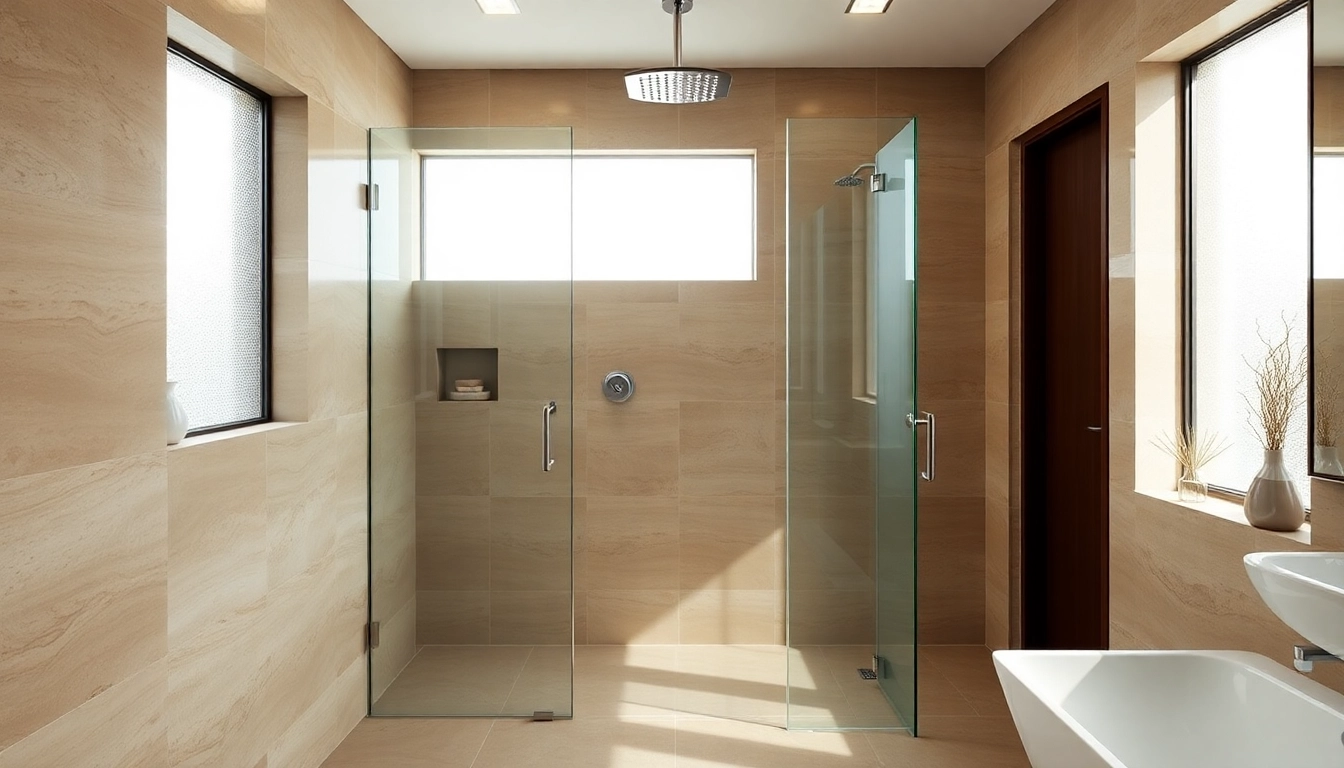
Understanding the Role of a Residential Architect Boston
Defining Architectural Services
Residential architecture encompasses a broad spectrum of services tailored to the unique requirements of homeowners. These services involve everything from initial consultations and conceptual design to detailed plans that facilitate the construction process. A Residential Architect Boston plays a pivotal role by integrating functionality with aesthetics, ensuring that your living space enhances both lifestyle and vision. The role also includes liaising with contractors, managing budgets, and ensuring adherence to local regulations, all while maintaining the intent of the design.
Benefits of Hiring a Professional
Engaging a professional residential architect yields significant benefits. First and foremost, architects bring expertise to the design process, providing insights that may not be immediately apparent to the homeowner. They can foresee potential issues, optimize space utilization, and help navigate zoning laws—factors that can lead to smoother project execution.
Moreover, architects often have established relationships with skilled contractors, which can facilitate hiring processes and lead to more competitive bidding. This collaboration can result in higher quality workmanship and materials, ultimately influencing the home's value.
Key Design Principles to Consider
When working with a residential architect, understanding essential design principles can greatly improve outcomes. Key principles include:
- Functionality: Ensuring that a space adheres to the lifestyle and needs of the occupants.
- Aesthetics: Creating visually appealing designs that harmonize with the environment.
- Sustainability: Incorporating eco-friendly materials and energy-efficient designs to reduce environmental impact.
- Balance: Achieving equilibrium in design elements, whether through symmetry or contrasting designs.
Innovative Home Designs by Residential Architect Boston
Maximizing Space and Functionality
One of the hallmarks of great residential design is the ability to maximize space and functionality. Architects employ various techniques, such as open floor plans, to create a sense of spaciousness. Utilizing multi-functional furniture and integrating storage solutions can significantly enhance usability, especially in smaller homes.
Case studies have shown that homes designed with this principle in mind not only improve residents' day-to-day experiences but can also increase resale value. Homebuyers increasingly look for spaces that provide versatility, further underlining the importance of thoughtful architectural design.
Incorporating Sustainability in Design
The demand for sustainable architecture continues to grow, with homeowners seeking designs that minimize energy consumption and harness renewable resources. A residential architect can guide you in selecting eco-friendly materials, installing energy-efficient systems, and designing features such as green roofs and passive ventilation.
For instance, utilizing reclaimed wood or low-VOC paints can significantly reduce a home’s environmental impact. Furthermore, sustainable residential designs enhance indoor air quality, which is an increasing concern for modern homeowners. Such considerations not only adhere to ethical standards but can also lower utility costs over time.
Personalizing Your Home's Aesthetic
Every homeowner has a distinct vision of their ideal home, and a skilled residential architect can bring that vision to life. Personalization can manifest in various ways, from choosing a specific architectural style to selecting finishes that reflect personal taste.
Additionally, architects can help incorporate local cultural elements or historical references into the design, creating a unique narrative for the home. This personal touch transforms ordinary spaces into reflections of the occupants’ desires and backgrounds, which can significantly enhance the emotional value of the property.
How to Choose the Right Residential Architect Boston
Assessing Qualifications and Experience
Choosing a residential architect is a critical decision that can influence the project's success. Start by assessing qualifications, including education, licensure, and continuing education. An architect's experience with specific residential projects, particularly those similar to your needs, can be a telling factor in their suitability.
Furthermore, seek out architects who are members of professional organizations, as this often indicates a commitment to professional standards and ethics. Ultimately, an architect's background should align with your project's vision and requirements.
Reviewing Portfolios and Past Projects
A potential architect’s portfolio offers a snapshot of their work style and capabilities. Reviewing past projects allows you to evaluate their aesthetic sensibilities and creativity. Look for diversity in their designs, as this can indicate flexibility and innovation.
It's advisable to seek testimonials or references from previous clients to gain insight into the architect's communication skills and professionalism. Engaging an architect whose style resonates with your vision can significantly impact the success of your home design.
Understanding Client Architect Communication
Successful collaboration hinges on effective communication. Discuss your vision, requirements, and budget upfront to ensure alignment. The architect should be receptive to feedback and able to articulate their design choices, ensuring you remain engaged throughout the process.
Scheduling regular check-ins during the design and construction phases can be beneficial, maintaining momentum and avoiding misunderstandings. Good communication fosters a supportive environment, allowing creative ideas to flourish while keeping the project on track.
Costs and Budget Considerations
Typical Fees for Residential Services
Understanding cost structures associated with residential architecture is essential for effective budgeting. Architects typically charge fees based on several models, including fixed rates, hourly billing, or percentage-based fees relative to construction costs. Each approach has its advantages, depending on project scope and complexity.
Discussing fee structures during initial consultations can ensure transparency and prevent surprises down the line. Remember, the value of quality design often outweighs initial costs, as it can lead to considerable long-term savings.
Budgeting for Construction and Design
Beyond architect fees, it's crucial to account for the total costs involved in the construction process. Budgeting should include materials, labor, permits, and potential unforeseen expenses. Establishing a flexible budget allows for contingencies, which are often part of renovation and new construction projects.
For effective budget management, consider a phased approach to your project. This method allows you to prioritize essential components while gradually implementing additional features over time, reducing financial stress and enabling more thoughtful spending.
Value vs. Cost: Making the Right Investment
When weighing the costs associated with hiring a residential architect, it's important to focus on the value derived from quality design. Thoughtfully designed spaces not only enhance livability but can also boost property values significantly upon resale. Investing in professional architectural services often translates to improved functionality, aesthetics, and overall satisfaction.
Ultimately, your home is a long-term investment. Prioritizing quality and craftsmanship can pay dividends for years, ensuring the space remains enjoyable and valuable over time.
Frequently Asked Questions about Residential Architecture
What should I look for in a Residential Architect Boston?
Look for qualifications, experience, and style compatibility. Check for client testimonials, communication skills, and their ability to understand your vision.
How long does the design process typically take?
The design process can vary based on project complexity but typically takes several weeks to a few months, including revisions and approvals.
Can architects help with renovations?
Yes, architects specialize in renovations and can provide expertise in updating layouts, adding space, or improving functionality in existing structures.
What are the average costs involved?
Average costs for hiring a residential architect can range from 5% to 15% of total construction costs depending on project scope and architect experience.
How do I communicate my vision effectively?
Prepare visual aids, such as mood boards or Pinterest boards, to articulate your preferences. Clear and open communication is key to aligning expectations.