
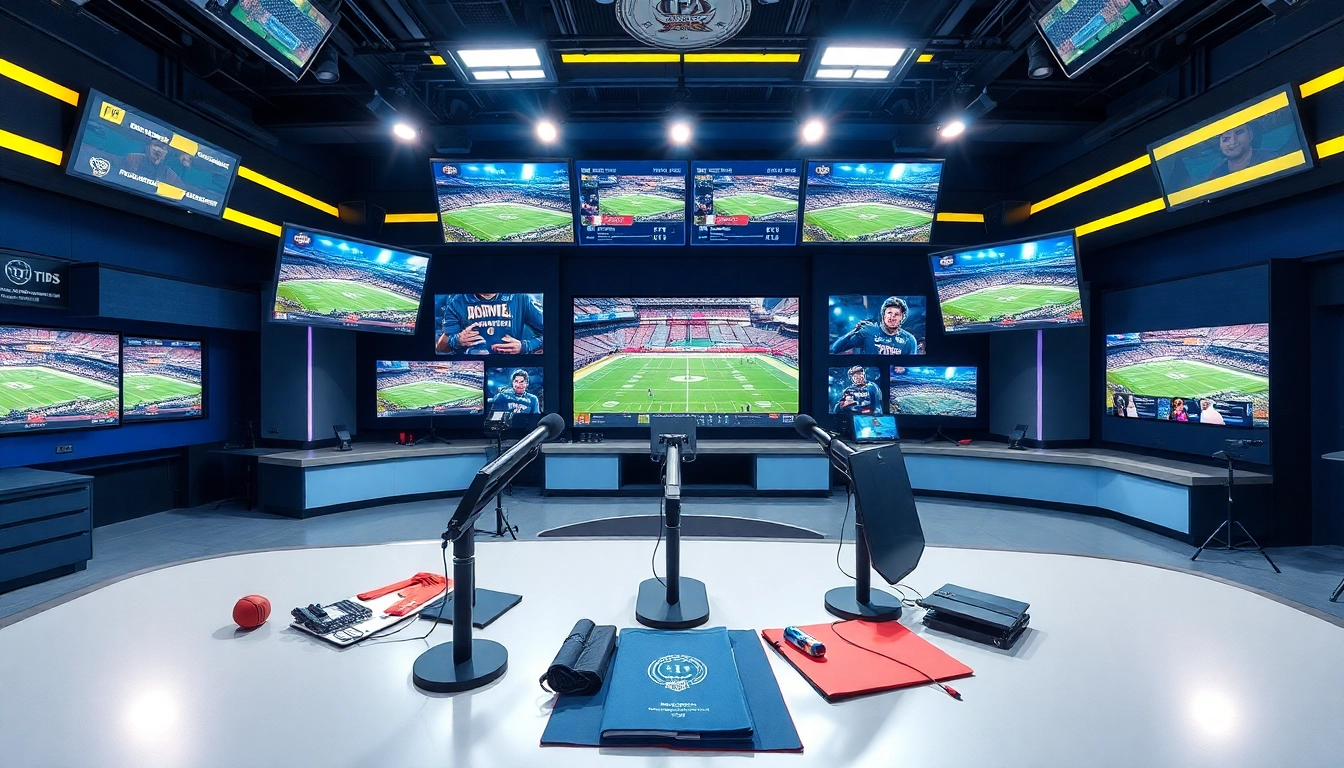
Understanding Sports Broadcasting Today
Sports Broadcasting has evolved dramatically over the years, transforming how audiences engage with their favorite sports. With the advent of new technologies and platforms, Sports Broadcasting is more accessible and interactive than ever before. This article delves deep into the various components, market trends, best practices, and the future of this dynamic field.
Key Components of Sports Broadcasting
The essence of Sports Broadcasting revolves around several key components that facilitate the delivery of sports content to audiences. Understanding these components is crucial for any stakeholder in the industry.
- Content Creation: The foundation of effective Sports Broadcasting lies in high-quality content. This can range from live games to pre- and post-game analyses, interviews, and documentaries that enrich the viewer experience.
- Delivery Platforms: Various platforms serve as conduits for Sports Broadcasting, including traditional television, radio, and streaming services. Each platform offers unique advantages and challenges in terms of reach and viewer engagement.
- Advertising and Sponsorship: Revenue generation through advertisements and sponsorships is a pivotal component. Understanding audience demographics can help tailor marketing efforts effectively.
- Broadcasting Rights: Securing the rights to broadcast specific sports events is a critical legal and financial consideration, influencing both profitability and viewership.
- Engagement Metrics: Analytics play a vital role in evaluating audience engagement and optimizing content strategies. Monitoring ratings, shares, and viewer comments provides valuable insights.
The Role of Technology in Sports Broadcasting
Technology has fundamentally reshaped how sports are broadcasted, enhancing the viewer experience significantly. Innovations in technology not only affect the quality of broadcasts but also the interactivity and engagement levels of the audience.
- High-Definition Broadcasting: The shift from standard definition (SD) to high definition (HD) and ultra-high definition (UHD) allows viewers to enjoy superior image quality, making the viewing experience more immersive.
- Live Streaming: Platforms like ESPN+ and DAZN provide live streaming options that allow fans to watch games on various devices, enhancing accessibility and flexibility.
- Data Analytics: Advanced analytics tools help broadcasters assess viewer preferences and behavior, enabling more personalized content delivery.
- Virtual Reality (VR) and Augmented Reality (AR): These technologies are beginning to play a role in Sports Broadcasting, providing more engaging experiences through interactive replays and immersive environments.
- Social Media Integration: Technology facilitates real-time interaction between fans and broadcasters. Social media platforms allow for instant feedback and community building around sports events.
Comparing Traditional vs. Digital Broadcasting
The comparison between traditional and digital broadcasting is crucial to understanding the current landscape of Sports Broadcasting.
- Reach: While traditional broadcasting has historically dominated viewership due to its wide reach, digital platforms have shown exponential growth, especially among younger audiences.
- Content Accessibility: Traditional broadcasts often require a cable subscription, whereas digital platforms offer on-demand viewing, making content more accessible.
- Interactivity: Digital broadcasting encourages two-way communication, allowing viewers to engage with broadcasters in real-time through social media or dedicated applications.
- Cost Structure: Traditional broadcasting relies heavily on advertising and subscription fees, while digital broadcasting often utilizes a mix of subscription-based and advertisement models.
- Content Variety: Digital platforms provide a wider array of content, including niche sports that may not receive coverage on traditional channels, catering to diverse audience preferences.
Market Trends Influencing Sports Broadcasting
The Sports Broadcasting landscape is constantly influenced by various market trends that dictate how content is produced, distributed, and consumed.
Emerging Technologies Shaping the Future
As technology progresses, several innovations are shaping the future of Sports Broadcasting:
- 5G Technology: The rollout of 5G networks promises faster data transmission, enabling smoother streaming experiences and high-quality broadcasts.
- AI and Machine Learning: These technologies can automate various aspects of sports broadcasting, from content creation to viewer analytics, enhancing efficiency and personalization.
- Blockchain: Blockchain can revolutionize rights management, ensuring transparent and secure transactions for broadcasting rights and combating piracy.
- Wearable Technology: Athletes' performance data can be captured in real-time and broadcasted to audiences, providing deeper insights and enriching viewer experiences.
- Interactive Broadcasts: The integration of gamification elements and viewer polls during live broadcasts keeps audiences engaged and entertained.
Audience Preferences in Sports Broadcasting
Understanding audience preferences is crucial for Sports Broadcasting stakeholders. Today’s viewers have clear expectations:
- Quality and Variety of Content: Audiences expect high-definition broadcasts and diverse programming that includes not just games, but also analyses, documentaries, and behind-the-scenes content.
- Accessibility: Viewers demand the ability to watch their favorite sports on various devices and platforms, whether that's through mobile apps or smart TVs.
- Interactivity: Modern sports fans enjoy interactive elements, such as polls and the ability to follow their favorite athletes on social media.
- Personalization: Tailored viewing experiences based on viewer preferences enhance engagement, indicating a shift towards more personalized broadcasting strategies.
- Community Engagement: Fans crave a sense of community, leading broadcasters to create online forums and social media groups around specific sports or teams.
Data Analytics for Enhanced Viewer Engagement
Data analytics plays a pivotal role in driving engagement in Sports Broadcasting. By leveraging data, broadcasters can refine their strategies and enhance viewer experience:
- Viewership Analytics: Monitoring viewership data helps broadcasters understand audience behavior, such as peak viewing times and the demographics of their viewers.
- Content Performance Analysis: Analyzing which types of content generate the most viewer engagement allows for informed decisions on future programming.
- Real-Time Interactions: Utilizing analytics during live broadcasts can adjust strategies on the fly, responding to audience feedback and engagement levels.
- Targeted Advertising: By understanding viewer preferences and behaviors, broadcasters can offer more relevant advertisements, increasing the effectiveness of ad campaigns.
- Audience Retention Strategies: Knowing what keeps audiences engaged enables broadcasters to craft better content and offer incentives, such as contests or viewer polls, to retain viewers.
Best Practices for Effective Sports Broadcasting
To thrive in the competitive world of Sports Broadcasting, adopting best practices is essential. The following strategies can significantly improve broadcasting effectiveness:
Creating Engaging Content for Viewers
Engagement begins with content. Here are best practices for creating compelling sports programming:
- Storytelling: Incorporating narratives around events and athletes can transform a standard broadcast into a compelling viewing experience.
- Expert Commentary: Having knowledgeable commentators who can provide insights and analyses enriches the viewing experience.
- Interactive Features: Encouraging viewer participation through live polls or social media interactions keeps content fresh and interesting for audiences.
- Unique Angles: Utilizing various camera angles and technologies, such as drone footage or 360-degree views, can enhance visual storytelling.
- Timely Content: Delivering content that aligns with ongoing events or trends can attract more viewers, utilizing news cycles effectively to keep audiences engaged.
Optimizing Broadcast Schedules for Maximum Reach
A well-planned broadcast schedule can significantly impact viewership rates:
- Prime Time Slotting: Broadcasting events during peak viewing times increases audience numbers, making it essential to analyze trends and viewer preferences for scheduling.
- Flexibility: Staying adaptable to accommodate live developments, such as weather delays or venue changes, ensures the schedule remains relevant.
- Multi-Platform Strategies: Simultaneously airing events on multiple platforms can reach wider audiences, catering to various viewer preferences.
- Seasonal Programming: Identifying key sports seasons and distributing content accordingly can optimize viewership throughout the year, encouraging consistent engagement.
- Collaboration: Partnering with other broadcasters or platforms can expand reach and provide audiences with varied content experiences.
Leveraging Social Media in Sports Broadcasting
Social media has become integral to Sports Broadcasting, providing unique opportunities for engagement:
- Real-Time Updates: Utilizing platforms for real-time game updates keeps fans informed and engaged, driving traffic to broadcasts.
- Behind-the-Scenes Access: Offering exclusive content through social media platforms creates a sense of intimacy and connection between fans and athletes.
- Fan Interaction: Engaging with fans through comments, polls, and live interactions fosters community and strengthens viewer loyalty.
- Influencer Collaborations: Partnering with sports influencers can amplify reach to different demographics and increase interest in broadcasts.
- Promotional Campaigns: Running campaigns on social media can entice fans to tune in, including giveaways or contests related to broadcast events.
Success Stories in Sports Broadcasting
Examining successful case studies and iconic moments in Sports Broadcasting offers valuable lessons for industry professionals.
Iconic Moments in Sports Broadcasting History
Sports Broadcasting is filled with iconic moments that have left an indelible mark on this field:
- Live Sports Coverage: The ability to watch pivotal moments—such as game-winning plays or record-breaking performances—live has been fundamental to the culture of Sports Broadcasting.
- Groundbreaking Interviews: Exclusive interviews with athletes and coaches, especially during critical times, have captivated audiences and played a significant role in viewer engagement.
- Innovative Broadcast Designs: Technological advancements, such as instant replays and on-screen statistics, have changed how viewers consume sports.
- Cultural Phenomena: Events like the Super Bowl have transcended sports, becoming cultural phenomena thanks to their massive broadcasts.
- Engaging Storylines: Series such as "Hard Knocks" provide in-depth narratives that make audiences feel connected to teams and players, highlighting the importance of storytelling in Sports Broadcasting.
Innovative Campaigns That Reshaped the Industry
Several campaigns have changed the landscape of Sports Broadcasting:
- The FIFA World Cup: Major tournaments such as this have expanded the definition of Sports Broadcasting, using innovative techniques and global coverage to reach billions of viewers.
- Live-Streaming Initiatives: Platforms that pioneered live streaming changed audience expectations, leading to a shift in how sports were consumed.
- Fantasy Sports Explosions: The surge in fantasy sports leagues has forced broadcasters to create content captivating casual viewers, reshaping programming strategies.
- Engagement through Apps: Many networks have launched apps enabling real-time interactions during broadcasts, leading to improved viewer retention.
- Community Campaigns: Grassroots campaigns host local games and events, bridging the gap between professional and amateur sports, fostering community engagement.
Case Studies of Effective Sports Broadcasting Strategies
Learning from successful case studies provides actionable strategies:
- Enhanced Viewer Experience: Broadcasters adopting VR and AR elements have transformed how audiences engage with live events, leading to increased interactions.
- Personalized Content Delivery: Utilizing data to personalize viewer experiences has significantly enhanced engagement levels with targeted content.
- Social Media Strategies: Networks that successfully integrated social media into their broadcasts have seen spikes in viewer engagement and community-building.
- Real-Time Analytics Implementation: Integrating analytics to adapt broadcasts dynamically in real-time has enabled networks to respond to audience preferences effectively.
- Cross-Promotion with Other Media: Collaborations with podcasts or YouTube channels have reached new audiences, expanding the demographic reach.
Future of Sports Broadcasting
The future of Sports Broadcasting promises continual evolution driven by technology, audience needs, and market trends.
Pioneering Changes on the Horizon
Several factors will likely shape the future of Sports Broadcasting:
- AI-Driven Solutions: AI solutions for content creation and broadcasting efficiency are expected to gain prominence, enhancing both viewer engagement and operational efficiency.
- Personalized Viewing Experiences: Continued advances in technology will further enable personalization, creating tailored content that resonates with specific audience segments.
- Global Collaboration: Broadcasters may explore more international partnerships to enhance their coverage of global sporting events, enriching content diversity.
- Virtual Interactive Experiences: Future broadcasts may leverage VR to immerse viewers in experiences, allowing them to feel part of the action, regardless of their location.
- Robust Cybersecurity Measures: As broadcasts continue to transition online, a focus on cybersecurity will become critical to protect the content and viewer data.
Challenges Facing the Sports Broadcasting Industry
Despite the exciting prospects, numerous challenges persist in the Sports Broadcasting sphere:
- Monetization Hurdles: Navigating the balance between subscriber fees and advertising revenue can be complex as viewer preferences shift.
- Content Piracy Issues: As content becomes more accessible online, protecting intellectual property and combating piracy will be major concerns for broadcasters.
- Technological Adaptation: Keeping pace with rapid technological advancements requires investment and adaptability from broadcasters.
- Consumer Preference Shifts: Understanding and adapting to changing consumer behavior and preferences can be challenging in a saturated market.
- Regulatory Challenges: Navigating the regulatory landscape of broadcasting rights and media laws can complicate operations for broadcasters.
Adapting to Technological Advancements
To remain relevant, broadcasters must navigate and adapt to ongoing technological changes, including:
- Integration of New Technologies: Staying ahead in the integration of innovative technologies such as 5G and AI can enhance broadcast quality and viewer experience.
- Investing in Research: Ongoing investment in research to understand emerging trends will enable broadcasters to stay competitive and responsive to audience demands.
- Collaboration Across Sectors: Collaboration with tech companies ensures broadcasters implement cutting-edge solutions for improved service delivery.
- Training and Development: Continuous training for staff to adapt to new technologies can ensure that broadcasters utilize new capabilities effectively.
- Flexibility in Business Models: As viewer preferences evolve, flexibility in revenue models can capture new audiences while maintaining existing ones.
FAQs:
What is Sports Broadcasting?Sports broadcasting refers to the live transmission of sports events via television, radio, and online platforms.
Why is technology important in Sports Broadcasting?Technology enhances the viewer experience through improved visuals, analytics, and interactive features, providing deeper engagement.
How has digital media transformed Sports Broadcasting?Digital media allows for on-demand viewing, social media interaction, and innovative advertising opportunities within broadcasts.
What are best practices in Sports Broadcasting?Key practices include audience analysis, engaging content creation, and effective scheduling to capture maximum viewership.
What does the future hold for Sports Broadcasting?The future includes advancements in streaming technology, personalized content delivery, and challenges like monetization and content piracy.